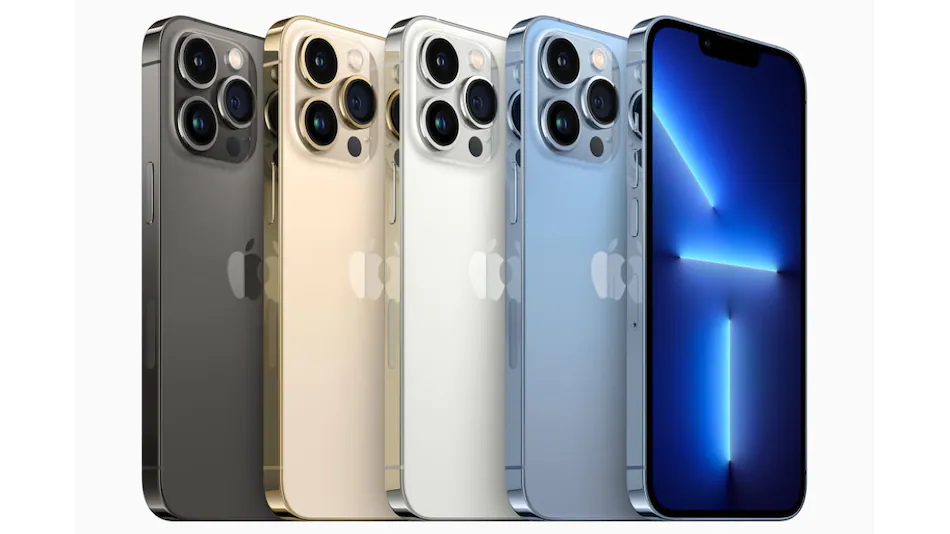
- The launch of a new iPhone always sparks immense excitement, but beyond the flashy new features and camera upgrades, one question consistently looms large for potential buyers: how tough is it? For the much-anticipated iPhone 17, the buzz around its durability is already reaching fever pitch. As an investment, a smartphone needs to withstand the rigors of daily life, and that’s where the iPhone 17 durability test becomes paramount. Will Apple’s latest flagship truly be able to shrug off drops, scratches, and splashes, or will it succumb to the inevitable accidents that plague our devices? Let’s dive deep into what makes a smartphone durable and anticipate how the iPhone 17 is engineered to survive.
- Screen Integrity: How well does the Ceramic Shield (or its successor) prevent cracks and shatters from face-first drops?
- Back Glass Resilience: Can the rear panel withstand impacts without spider-webbing?
- Frame Deformation: Does the new frame material resist bending or denting upon impact?
- Camera Module Protection: Are the camera lenses and housing sufficiently protected against direct hits?
- Longevity of Investment: Your device will last longer, reducing the need for premature upgrades or costly repairs.
- Peace of Mind: You can use your phone without constant worry about accidental damage.
- Retained Value: A well-preserved device holds its resale value significantly better.
- Reduced Environmental Impact: Longer-lasting phones contribute to less electronic waste.
The iPhone 17’s Build: What’s Under the Hood?
Apple has consistently pushed the boundaries of material science and engineering with each new iPhone generation, aiming to deliver not just performance but also robust protection. For the iPhone 17, expectations are exceptionally high regarding its physical fortitude. Speculation suggests the iPhone 17 could feature an even more advanced iteration of Apple’s Ceramic Shield technology for its front display.
Revolutionary Materials and Design
This material, embedded with nano-ceramic crystals, significantly enhances drop performance. Conversely, we might also see improvements in the back glass, potentially using a similar strengthened material to resist cracks and shatters. The frame itself could see an upgrade, perhaps a new aerospace-grade aluminum alloy or an even more refined titanium blend, offering superior bend resistance and overall structural integrity without adding excessive weight.
IP Rating and Water Resistance
These material choices are critical components of the iPhone 17’s expected ruggedness. Water and dust resistance are non-negotiable features for modern flagships. The iPhone 17 is expected to maintain, if not improve upon, its predecessors’ impressive IP rating.
Putting the iPhone 17 to the Ultimate Test: What to Expect
An IP68 rating, for instance, signifies that the device is fully dust-tight and can withstand submersion in water up to 6 meters for 30 minutes. This level of water resistance provides significant peace of mind for users, protecting against accidental spills, rain, or even a quick dip in the pool. The internal sealing and component design play a crucial role in achieving this level of environmental protection.
The Infamous Drop Test
When the iPhone 17 finally hits the market, a barrage of independent durability tests will undoubtedly follow. That said, these tests aim to simulate real-world scenarios and push the device to its limits. The drop test is perhaps the most anticipated of all durability evaluations.
Testers typically drop the phone from various heights and onto different surfaces (concrete, asphalt, steel) to assess its resistance to impact. Key areas of focus will include: These tests provide vital insights into the iPhone 17’s ability to survive everyday tumbles. Beyond drops, daily wear and tear can take a toll.
Scratch, Scuff, and Bend Resistance
Interestingly, scratch tests, using objects like keys, coins, and even Mohs hardness picks, will determine the display and frame’s resistance to abrasions. The iPhone 17 will need to demonstrate strong scratch resistance to maintain its pristine look over time. Moreover, furthermore, the dreaded bend test will see if the device can withstand significant pressure without permanent deformation, a testament to its internal structural engineering.
Extreme Environment Challenges
Modern smartphones are global devices, meaning they must perform in diverse climates. Additionally, we can expect tests that expose the iPhone 17 to extreme temperatures, both hot and cold, along with high humidity, to ensure its operational reliability and internal component longevity under harsh conditions. In an age where smartphone prices continue to climb, durability isn’t just a luxury; it’s a necessity.
Why iPhone 17 Durability Matters More Than Ever
A robust iPhone 17 means: The iPhone 17 durability test results will be crucial for consumers making a significant purchasing decision, confirming that Apple’s latest offering is built to last. The anticipation for the iPhone 17 is palpable, and its build quality and ruggedness are undoubtedly high on the list of features consumers care about. While we await the official unveiling and the subsequent rigorous testing, all signs point to Apple continuing its tradition of engineering incredibly resilient devices.
The combination of advanced materials, meticulous design, and comprehensive sealing mechanisms suggests the iPhone 17 will be a formidable contender in the durability arena. Conversely, stay tuned for the real-world results that will truly put this next-generation iPhone to the test! What are your biggest durability concerns for the iPhone 17?
The Verdict Awaits
Share your thoughts in the comments below!
What are your biggest durability concerns for the iPhone 17? Share your thoughts in the comments below!