
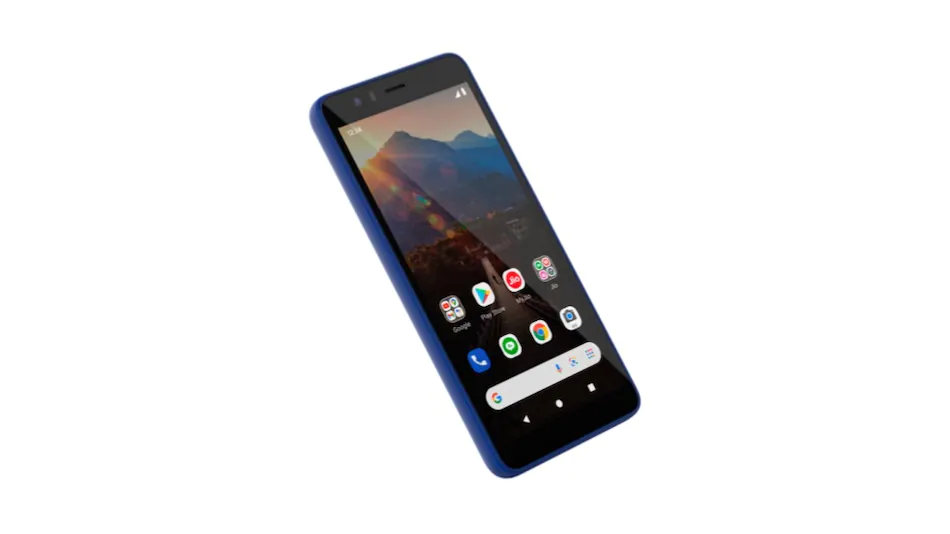
- For many, battery life is the ultimate make-or-break feature of any smartphone. We all crave that blissful feeling of making it through a full day, or even two, without frantically searching for a charger. As anticipation builds for Apple’s next-generation device, the iPhone 17 battery life is already a hot topic. Will it finally deliver the all-day-and-beyond power we’ve been dreaming of? Let’s dive deep into the innovations, speculations, and real-world implications of the iPhone 17’s power performance.
- Optimize Screen Brightness: Use auto-brightness or manually adjust it to the lowest comfortable level.
- Limit Background App Refresh: Go to Settings > General > Background App Refresh and disable it for apps you don’t need constantly updated.
- Manage Location Services: Restrict apps from using your location “Always” – choose “While Using the App” or “Never” where appropriate.
- Enable Dark Mode: For OLED screens, dark mode can save significant power by turning off individual pixels.
- Utilize Low Power Mode: This instantly reduces background activity and visual effects when your battery is low.
- Turn Off Unnecessary Radios: Disable Wi-Fi, Bluetooth, or cellular data when not needed, especially in areas with poor signal.
The Quest for All-Day Power: What Drives iPhone Battery Innovations?
Apple’s strategy for increasing iPhone battery life goes beyond simply packing a larger cell into the gadget. It’s a complex interaction between software optimisation, display improvements, and hardware efficiency. It is anticipated that the iPhone 17 will push these limits even farther. Every iPhone has a specially made A-series Bionic chip at its core. We expect the A19 Bionic to be released for the iPhone 17. An even more sophisticated, smaller process node—possibly 2nm or an optimised 3nm process—will probably be used to manufacture this chip. Transistors are closer together when the process node is smaller, which lowers the distance electrons must travel. This results in a markedly higher power efficiency. Smarter power management is more important to the A19 Bionic than sheer speed.
Hardware Advancements: The A19 Bionic Chip
Anticipate improvements to its CPU, GPU, and Neural Engine cores, all of which are intended to carry out demanding tasks using less energy. This fundamental enhancement is essential for increasing the iPhone 17’s battery life. One of a smartphone’s largest power users is frequently the display. Apple is anticipated to improve its display technology with the iPhone 17 in order to make it even more energy-efficient. Improvements in LTPO (Low-Temperature Polycrystalline Oxide) technology could enable even lower refresh rates for static content—possibly as low as 1Hz—further lowering the power consumption of the always-on display. Brighter screens with the same or even lower power consumption could be achieved by increasing the efficiency of OLED panels, perhaps by utilising next-generation materials or micro-lens array (MLA) technology. Better iPhone 17 battery performance is directly correlated with a more efficient display. It’s not just about hardware. The iOS 19 operating system, which is anticipated to debut alongside the iPhone 17, will be crucial in optimising battery life.
With every version of iOS, Apple continuously improves its power management algorithms. Anticipate more intelligent use of Low Power Mode, better resource allocation for demanding apps, and smarter controls for background app refreshes. Additionally, machine learning could be used to forecast user behaviour and modify power consumption appropriately, guaranteeing that the iPhone 17’s longer battery life is continuously controlled for the best possible user experience. Technical details are useful, but what really counts is how long the phone feels in your hand during normal daily use. The culmination of all these advancements will be the iPhone 17’s actual battery life. Although it’s simple to become fixated on mAh values, longer battery life isn’t always a sign of a larger battery. Apple’s ability to optimise the entire ecosystem is one of its strengths. Although the iPhone 17 may not have a significantly larger battery cell than its predecessors, its overall increased efficiency may lead to a significant increase in real usage time. This harmony enables Apple to deliver remarkable iPhone 17 power efficiency while maintaining svelte designs.
Display Technology: A Brighter, Yet More Efficient Screen
The battery’s rate of recharging is just as important as its lifespan. We may see faster wired charging speeds for the iPhone 17 due to the probable continued adoption of USB-C, which would increase the efficiency of rapid top-ups. It’s possible that MagSafe wireless charging will become faster and more efficient. Additionally, Apple keeps improving its battery health management features to guarantee that the iPhone 17’s battery will continue to operate at its best and last the full life of the device. The endurance of your device can be greatly impacted by user habits, even with expected improvements. The following timeless advice is probably applicable to the iPhone 17:
One intriguing feature of Apple’s upcoming flagship is the iPhone 17’s battery life. Users can actually anticipate a significant increase in endurance thanks to developments in the A19 Bionic chip, more effective display technology, and clever iOS 19 optimisations. The trend suggests a device that enables you to do more, for longer, without being tied to an outlet, even though precise numbers are still subject to speculation until launch. Are you prepared for an iPhone that can handle your busiest days?
The iPhone 17 could be your long-awaited power partner. Await official announcements and get ready for real all-day power! Apple’s strategy for increasing iPhone battery life goes beyond simply packing a larger cell into the gadget. It’s a complex interaction between software optimisation, display improvements, and hardware efficiency. It is anticipated that the iPhone 17 will push these limits even farther. Every iPhone has a specially made A-series Bionic chip at its core. We expect the A19 Bionic to be released for the iPhone 17. An even more sophisticated, smaller process node—possibly 2nm or an optimised 3nm process—will probably be used to manufacture this chip. Transistors are closer together when the process node is smaller, which lowers the distance electrons must travel.
Software Optimization: iOS 19’s Role
This results in a markedly higher power efficiency. Smarter power management is more important to the A19 Bionic than sheer speed. Anticipate improvements to its CPU, GPU, and Neural Engine cores, all of which are intended to carry out demanding tasks using less energy. This fundamental enhancement is essential for increasing the iPhone 17’s battery life. One of a smartphone’s largest power users is frequently the display. Apple is anticipated to improve its display technology with the iPhone 17 in order to make it even more energy-efficient. Improvements in LTPO (Low-Temperature Polycrystalline Oxide) technology could enable even lower refresh rates for static content—possibly as low as 1Hz—further lowering the power consumption of the always-on display. Brighter screens with the same or even lower power consumption could be achieved by increasing the efficiency of OLED panels, perhaps by utilising next-generation materials or micro-lens array (MLA) technology. Better iPhone 17 battery performance is directly correlated with a more efficient display.
It’s not just about hardware. The iOS 19 operating system, which is anticipated to debut alongside the iPhone 17, will be crucial in optimising battery life. With every version of iOS, Apple continuously improves its power management algorithms. Anticipate more intelligent use of Low Power Mode, better resource allocation for demanding apps, and smarter controls for background app refreshes. Additionally, machine learning could be used to forecast user behaviour and modify power consumption appropriately, guaranteeing that the iPhone 17’s longer battery life is continuously controlled for the best possible user experience. Technical details are useful, but what really counts is how long the phone feels in your hand during normal daily use. The culmination of all these advancements will be the iPhone 17’s actual battery life. Although it’s simple to become fixated on mAh values, longer battery life isn’t always a sign of a larger battery. Apple’s ability to optimise the entire ecosystem is one of its strengths.
Beyond the Specs: Real-World iPhone 17 Battery Performance
Although the iPhone 17 may not have a significantly larger battery cell than its predecessors, its overall increased efficiency may lead to a significant increase in real usage time. This harmony enables Apple to deliver remarkable iPhone 17 power efficiency while maintaining svelte designs. The battery’s rate of recharging is just as important as its lifespan. We may see faster wired charging speeds for the iPhone 17 due to the probable continued adoption of USB-C, which would increase the efficiency of rapid top-ups. It’s possible that MagSafe wireless charging will become faster and more efficient. Additionally, Apple keeps improving its battery health management features to guarantee that the iPhone 17’s battery will continue to operate at its best and last the full life of the device. The endurance of your device can be greatly impacted by user habits, even with expected improvements. The following timeless advice is probably applicable to the iPhone 17:
One intriguing feature of Apple’s upcoming flagship is the iPhone 17’s battery life. Users can actually anticipate a significant increase in endurance thanks to developments in the A19 Bionic chip, more effective display technology, and clever iOS 19 optimisations.
Capacity vs. Efficiency: The True Measure
The trend suggests a device that enables you to do more, for longer, without being tied to an outlet, even though precise numbers are still subject to speculation until launch. Are you prepared for an iPhone that can handle your busiest days? The iPhone 17 could be your long-awaited power partner. Await official announcements and get ready for real all-day power! Apple’s strategy for increasing iPhone battery life goes beyond simply packing a larger cell into the gadget. It’s a complex interaction between software optimisation, display improvements, and hardware efficiency. It is anticipated that the iPhone 17 will push these limits even farther. Every iPhone has a specially made A-series Bionic chip at its core. We expect the A19 Bionic to be released for the iPhone 17.
Charging Innovations: Faster, Smarter, Safer
An even more sophisticated, smaller process node—possibly 2nm or an optimised 3nm process—will probably be used to manufacture this chip. Transistors are closer together when the process node is smaller, which lowers the distance electrons must travel. This results in a markedly higher power efficiency. Smarter power management is more important to the A19 Bionic than sheer speed. Anticipate improvements to its CPU, GPU, and Neural Engine cores, all of which are intended to carry out demanding tasks using less energy. This fundamental enhancement is essential for increasing the iPhone 17’s battery life. One of a smartphone’s largest power users is frequently the display. Apple is anticipated to improve its display technology with the iPhone 17 in order to make it even more energy-efficient. Improvements in LTPO (Low-Temperature Polycrystalline Oxide) technology could enable even lower refresh rates for static content—possibly as low as 1Hz—further lowering the power consumption of the always-on display.
Tips to Maximize Your iPhone 17’s Battery Life (Even if it’s Already Great!)
Brighter screens with the same or even lower power consumption could be achieved by increasing the efficiency of OLED panels, perhaps by utilising next-generation materials or micro-lens array (MLA) technology. Better iPhone 17 battery performance is directly correlated with a more efficient display. It’s not just about hardware. The iOS 19 operating system, which is anticipated to debut alongside the iPhone 17, will be crucial in optimising battery life. With every version of iOS, Apple continuously improves its power management algorithms. Anticipate more intelligent use of Low Power Mode, better resource allocation for demanding apps, and smarter controls for background app refreshes. Additionally, machine learning could be used to forecast user behaviour and modify power consumption appropriately, guaranteeing that the iPhone 17’s longer battery life is continuously controlled for the best possible user experience. Technical details are useful, but what really counts is how long the phone feels in your hand during normal daily use. The culmination of all these advancements will be the iPhone 17’s actual battery life.
The Future of iPhone Power is Bright
Although it’s simple to become fixated on mAh values, longer battery life isn’t always a sign of a larger battery. Apple’s ability to optimise the entire ecosystem is one of its strengths. Although the iPhone 17 may not have a significantly larger battery cell than its predecessors, its overall increased efficiency may lead to a significant increase in real usage time. This harmony enables Apple to deliver remarkable iPhone 17 power efficiency while maintaining svelte designs. The battery’s rate of recharging is just as important as its lifespan. We may see faster wired charging speeds for the iPhone 17 due to the probable continued adoption of USB-C, which would increase the efficiency of rapid top-ups. It’s possible that MagSafe wireless charging will become faster and more efficient. Additionally, Apple keeps improving its battery health management features to guarantee that the iPhone 17’s battery will continue to operate at its best and last the full life of the device. The endurance of your device can be greatly impacted by user habits, even with expected improvements.
The following timeless advice is probably applicable to the iPhone 17:
One intriguing feature of Apple’s upcoming flagship is the iPhone 17’s battery life. Users can actually anticipate a significant increase in endurance thanks to developments in the A19 Bionic chip, more effective display technology, and clever iOS 19 optimisations. The trend suggests a device that enables you to do more, for longer, without being tied to an outlet, even though precise numbers are still subject to speculation until launch. Are you prepared for an iPhone that can handle your busiest days? The iPhone 17 could be your long-awaited power partner. Await official announcements and get ready for real all-day power!
Related Posts:


